
David Goggins Motivation Lessons for Building Discipline, Resilience, and Lasting Mental Strength
David Goggins does not teach people to wait for a sudden burst of inspiration. His message centers on personal responsibility, discipline, and the willingness to keep working when a task becomes uncomfortable.
You do not need to copy his extreme workouts or endurance challenges to benefit from his ideas. The practical lesson is simpler: stop allowing every difficult feeling to decide what you do next.
David Goggins Quick Facts
| Fact | Details |
|---|---|
| Full name | David Goggins |
| Date of birth | February 17, 1975 |
| Birthplace | Buffalo, New York |
| Occupation | Author, motivational speaker, endurance athlete, and retired Navy SEAL |
| Known for | Mental toughness, personal accountability, and endurance challenges |
| Popular books | Can’t Hurt Me and Never Finished |
| Notable achievement | Completing numerous ultramarathons and endurance events |
| Former record | 4,030 pull-ups completed in approximately 17 hours |
| Core message | Build confidence by doing difficult things consistently |
Who Is David Goggins?
David Goggins is an author, motivational speaker, endurance athlete, and retired Navy SEAL. He became widely known for his dramatic personal transformation and willingness to take on demanding physical challenges.
His early life was marked by trauma, insecurity, learning difficulties, financial struggles, and poor health. As a young adult, he was overweight and working a job that left him feeling trapped. Instead of accepting that situation as permanent, he began rebuilding his health, habits, and identity.
That transformation eventually led him into the military and the world of endurance sports. His official list of athletic achievements includes ultramarathons, triathlons, and other demanding events.
He later shared his experiences in Can’t Hurt Me and Never Finished, two books focused on accountability, resilience, and the mental barriers people create for themselves.
In March 2026, Air Force officials also confirmed that Goggins had reenlisted and joined the Special Warfare Training Wing.
His story connects with readers because he does not present discipline as a natural talent. He describes it as something built through repeated choices, setbacks, and uncomfortable work.
Why David Goggins Does Not Rely on Motivation
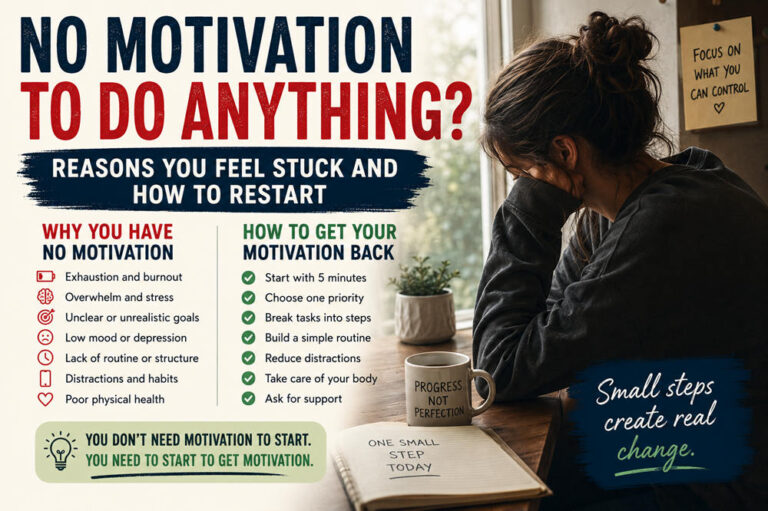
Motivation feels powerful when it appears, but it is rarely dependable.
You may feel excited about starting a workout plan, building a business, saving money, or returning to school. That excitement can make the first few days feel easy. Once the work becomes repetitive, inconvenient, or slow, the original energy usually fades.
This is where discipline becomes important.
Discipline allows you to follow a plan when you are tired, distracted, bored, or unsure of yourself. It does not require you to ignore your emotions. It simply prevents a temporary feeling from controlling every decision.
A person who depends only on motivation often stops when the excitement disappears. A disciplined person expects some days to feel difficult and prepares for them.
Instead of asking whether you feel motivated, ask whether the task still matters. When the answer is yes, complete the next reasonable step.
Take Honest Responsibility for Your Habits
Accountability is one of the strongest themes in Goggins’ work.
Real accountability is not about blaming yourself for every hardship or speaking to yourself with cruelty. It means recognizing the choices, habits, and reactions that remain within your control.
Suppose you have delayed an important project for a week. Calling yourself lazy will not solve the problem. A more honest response would be to identify what you have been doing instead, remove one distraction, and schedule a focused work period.
Ask yourself:
- What am I avoiding right now?
- What explanation have I been repeating?
- What part of the situation can I control?
- What action can I complete today?
These questions move your attention away from vague frustration and toward useful action.
Sometimes your circumstances genuinely limit what you can do. You may be dealing with illness, financial pressure, family responsibilities, grief, or exhaustion. Accountability does not require you to pretend those problems are insignificant. It asks you to identify what remains possible within your current limits.
Build Mental Toughness Through Controlled Discomfort
Mental toughness grows when you repeatedly face manageable challenges instead of avoiding everything that feels uncomfortable.
That challenge does not need to involve an ultramarathon. Everyday situations provide plenty of opportunities to strengthen your ability to follow through.
You might finish a task before opening social media, attend an event alone, speak during a meeting, follow a budget, complete a workout, or have a conversation you have been delaying.
Each experience teaches you that discomfort is temporary and does not automatically mean you should stop. The American Psychological Association also explains that building resilience takes time and can involve healthy thinking, supportive relationships, wellness, and a sense of purpose.
Start with challenges that are safe and connected to a worthwhile goal. For example:
- Add ten focused minutes to a study session.
- Complete your most important task before checking notifications.
- Walk outside when the weather is less than perfect.
- Ask for feedback on work you normally keep private.
- Set a reasonable boundary with someone.
- Practice a skill even when you feel embarrassed about being a beginner.
Controlled discomfort should strengthen your confidence, not become punishment. Extreme pain, dangerous exercise, injury, and exhaustion are not signs that a habit is effective.
Use Past Wins When Self-Doubt Appears
Goggins describes a mental strategy commonly called the “cookie jar.” It involves remembering situations in which you previously handled fear, discomfort, pressure, or failure.
Self-doubt often makes you forget your own history. A difficult task appears, and your mind immediately focuses on everything that could go wrong. Looking back at past wins gives you evidence that you have already survived difficult moments.
Your examples can be personal and ordinary. They might include:
- Completing a difficult school year.
- Recovering from rejection.
- Finding work after losing a job.
- Leaving an unhealthy situation.
- Paying off debt.
- Learning a complicated skill.
- Caring for your family during a stressful period.
- Returning to a goal after failing.
Write down five experiences that required courage or persistence. Keep the list somewhere easy to find.
When you face a new challenge, read it again. Past success does not guarantee an easy outcome, but it reminds you that fear has not stopped you every time.
Create Systems That Reduce Procrastination
Willpower becomes weaker when you repeatedly debate whether to begin.
You plan to exercise but start negotiating about the time. You intend to work on a project but decide to check your phone first. By the time the debate ends, the task has been delayed again.
Clear systems reduce the number of decisions you need to make.
Instead of saying, “I will exercise tomorrow,” choose a specific plan:
“I will walk for 20 minutes after lunch.”
Instead of saying, “I need to write this week,” decide:
“I will write for 30 minutes at 9 a.m. on Monday, Wednesday, and Friday.”
Your environment can also make action easier:
- Place your workout clothes where you can see them.
- Keep your phone outside your workspace.
- Block distracting websites during work periods.
- Prepare meals or supplies the night before.
- Write tomorrow’s priorities before ending the day.
- Break large projects into tasks that can be completed in one sitting.
Good systems do not remove every excuse, but they make it harder to hide behind confusion.
Choose Consistency Over Extreme Intensity
Goggins is associated with extreme physical performance, but most people should not copy the intensity of his training.
A smaller habit repeated consistently is usually more useful than a dramatic effort you cannot maintain.
One exhausting workout will not transform your health. A severe budget followed for ten days will not fix your finances. Working all night once will not build a successful business.
Steady actions create stronger results:
- Exercise three or four times each week.
- Save a manageable amount from every paycheck.
- Read ten pages each evening.
- Practice a skill for 20 minutes a day.
- Work on a major goal before handling minor tasks.
- Review your progress at the end of each week.
When building an exercise routine, use your health and current fitness level as guides. The CDC’s physical activity guidelines for adults offer a more sustainable starting point than copying an elite endurance athlete’s schedule.
Consistency also changes how you see yourself. Every completed action becomes evidence that you are someone who follows through.
The aim is not to prove how much suffering you can tolerate. It is to develop habits that remain dependable after the excitement disappears.
Let Your Actions Speak Louder Than Your Plans
Talking about a new goal can feel rewarding. You tell people that you are writing a book, starting a business, changing careers, or improving your fitness. Their encouragement creates a temporary sense of progress.
The problem appears when talking replaces working.
You do not need to keep every goal secret. Support, guidance, and accountability can be valuable. However, the time spent discussing the goal should not exceed the time spent pursuing it.
Much of meaningful progress happens privately. You may work for months before anyone notices a difference. A new business may grow slowly. Your fitness may improve before your appearance changes. A creative project may require countless revisions before it is ready to share.
Learning to work without immediate praise makes your commitment stronger. You begin measuring progress by completed actions rather than attention.
Use Failure as Information
A setback does not always mean the goal was wrong. It may mean the plan needs to change.
Missing a week of workouts could show that your schedule was unrealistic. Failing an exam may reveal weak study methods. Abandoning a budget could mean the limits were too strict. Receiving a rejection might show that your application needs improvement.
After a setback, review what happened without turning it into a judgment about your entire identity.
Consider these questions:
- Was the goal realistic?
- Did I prepare properly?
- What distracted me?
- Did I try to change too much at once?
- Do I need more knowledge or support?
- What will I adjust during the next attempt?
Failure becomes useful when it changes your approach. Repeating the same plan without learning anything only creates more frustration.
A Seven-Day David Goggins Motivation Challenge
You can begin using these principles without making extreme changes to your routine.
Day 1: Identify the Excuse
Choose one goal you have been delaying. Write down the excuse you use most often and identify one action that remains possible.
Day 2: Complete the Hardest Task First
Begin your most important task before checking social media, watching videos, or handling minor work.
Day 3: Practice Controlled Discomfort
Do one safe activity that makes you slightly uncomfortable. Speak up, make the call, attend the class, or complete the final part of your workout.
Day 4: Review Your Past Wins
List five difficult situations you have already overcome. Include moments that required patience, courage, or persistence.
Day 5: Remove One Distraction
Choose the distraction that interferes most with your progress. Silence it, block it, move it, or set a clear limit.
Day 6: Keep One Small Promise
Make one realistic commitment and complete it exactly as planned. Keep it small enough that excuses are difficult to defend.
Day 7: Review and Adjust
Look at what worked during the week. Keep the most useful habit, change what felt unrealistic, and decide what you will continue.
What You Should Not Copy From David Goggins
Goggins’ endurance achievements are exceptional, but extreme physical training is not appropriate for everyone.
There is a clear difference between working through ordinary resistance and ignoring an injury, illness, severe pain, burnout, or emotional distress. Discipline should support your long-term health rather than damage it.
Rest can be responsible. Recovery can improve performance. The National Institutes of Health explains that healthy sleep supports both physical and mental well-being.
Asking for medical, emotional, or professional support can also be a disciplined decision.
Use the principles behind Goggins’ message rather than trying to reproduce every challenge:
- Be honest about your habits.
- Stop protecting excuses that keep you stuck.
- Complete difficult but reasonable tasks.
- Keep promises you can realistically maintain.
- Learn from failure.
- Work without needing constant attention.
- Respect genuine physical and mental limits.
Frequently Asked Questions
What Is David Goggins’ Main Motivational Message?
His main message is that discipline, accountability, and repeated action are more reliable than temporary motivation.
What Does David Goggins Mean by Mental Toughness?
Mental toughness is the ability to continue making useful decisions during discomfort, fear, boredom, pressure, or uncertainty.
Do You Need to Train Like David Goggins to Follow His Advice?
No. Most people can apply his ideas through manageable habits, clear goals, honest self-reflection, and controlled challenges.
What Is the Best David Goggins Book for Motivation?
Can’t Hurt Me is his best-known book and explains much of his personal story and approach to accountability. Never Finished explores how personal development continues even after major achievements.
Final Takeaway
David Goggins’ motivation works best when you treat it as a call to become more reliable, not more extreme.
Choose one important task you have been avoiding. Make the first step small and specific, then complete it before you have time to create another excuse.
Ten minutes of honest action will usually move your life further than another hour spent waiting to feel ready.