List 3 Ways You Could Overcome Physical Noise During Communication
Physical noise can turn a simple conversation into a frustrating one. Traffic, construction, loud music, machinery, or nearby conversations can make important words difficult to hear and increase the chance of misunderstanding.
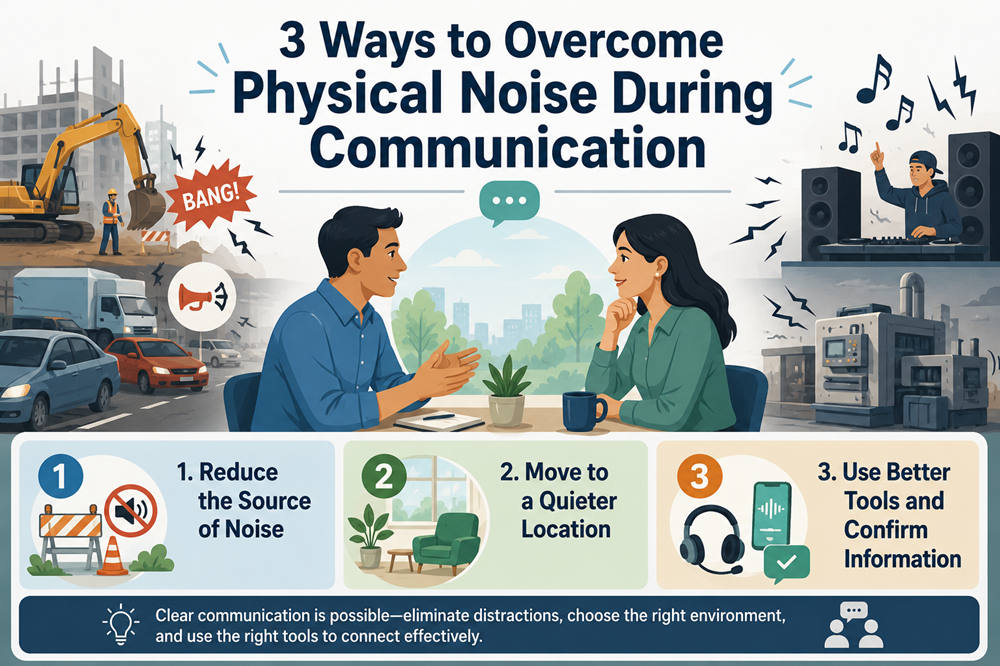
If you need to list 3 ways you could overcome physical noise during communication, the main solutions are simple: reduce the source of the noise, move to a quieter location, and use better communication methods or tools.
What Is Physical Noise in Communication?
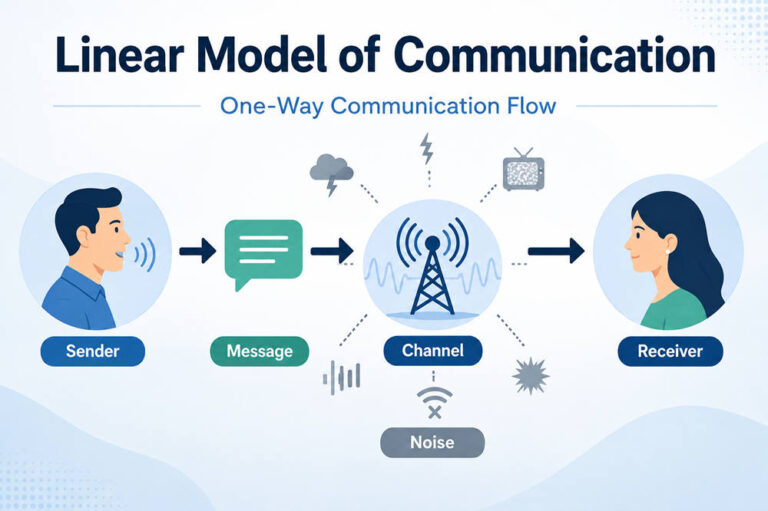
Physical noise is any outside sound or environmental distraction that makes a message harder to hear or understand.
Unlike psychological noise, such as stress, worry, or lack of concentration, physical noise comes from the environment around you. The National Institute on Deafness and Other Communication Disorders notes that background noise is one of the environmental factors that can affect how well spoken language is received.
Common examples include:
- Traffic
- Construction
- Loud music
- Television
- Machinery
- Nearby conversations
- Ringing phones
- Wind
- Poor microphones
- Background noise during online meetings
Physical noise does not have to completely block a conversation to cause problems. Even moderate background sound can make people miss names, numbers, instructions, or other important details.
1. Reduce or Remove the Source of Noise
The easiest solution is often to deal directly with whatever is creating the distraction.
For example, you can:
- Turn down music or television
- Close a door or window
- Silence unnecessary phone notifications
- Turn off equipment that is not being used
- Move away from loud appliances or machines
- Ask nearby people to lower their voices when appropriate
Small changes can make a noticeable difference. NIDCD specifically recommends turning down background volume when noise is making conversation difficult.
Imagine trying to explain tomorrow’s work schedule while a television is playing loudly nearby. Turning it down takes only a few seconds, but it makes the conversation easier for everyone.
Reducing background noise is especially important when you are sharing detailed information. Dates, prices, addresses, safety instructions, and deadlines are easy to mishear when another sound competes with your voice.
You will not always be able to remove the noise completely. A factory, construction site, airport, or crowded restaurant may naturally be loud. Even then, reducing the distractions you can control makes communication easier.
2. Move to a Quieter Location
If you cannot control the noise, change the environment.
Moving somewhere quieter is often more effective than repeatedly raising your voice or asking someone to repeat themselves. Moving farther away from loud sounds is also one of the basic steps NIDCD recommends for reducing exposure to excessive noise.
For example, you might:
- Step into an empty office for an important conversation
- Move away from a busy road before continuing a phone call
- Leave a crowded hallway for a quieter room
- Choose a private meeting space instead of a busy open office
- Move farther away from noisy equipment
The location matters even more when the conversation involves detailed or sensitive information.
A quieter space can help with:
- Workplace instructions
- Customer concerns
- Personal conversations
- Medical information
- Financial discussions
- Meetings and interviews
- Important decisions
You do not necessarily need complete silence. You simply need an environment where the other person can hear you without constantly competing with background sounds.
A better location also makes it easier to focus. Instead of dividing attention between the conversation and everything happening around you, both people can concentrate on the message.
3. Use Better Communication Tools and Confirm Important Information
Sometimes you cannot remove the noise or leave the area. In that situation, change how you communicate.
Start with your own delivery. Face the person you are speaking to, speak clearly, and use enough volume to be heard without unnecessarily shouting.
Technology can also help in noisy environments.
Useful tools may include:
- Headsets
- Microphones
- Noise-canceling headphones
- Speaker systems
- Video conferencing software
- Text messages
- Written instructions
For example, workers around loud machinery may use communication headsets rather than trying to shout over equipment. Someone joining an online meeting from a noisy home may use a headset and mute their microphone when they are not speaking.
It is also smart to confirm important information. Clear messages are easier to act on, and the CDC Clear Communication Index provides broader guidance on making important information easier for an audience to understand.
If background noise may have caused confusion, repeat the key point or ask the listener to confirm it.
For example:
“Just to confirm, the meeting is at 2 p.m. tomorrow.”
That takes only a moment and can prevent a much bigger misunderstanding later.
Written follow-up is particularly useful for information involving dates, addresses, instructions, prices, or deadlines. A short text or email gives the other person something they can check instead of relying entirely on what they heard.
Why Reducing Physical Noise Matters
Physical noise may seem like a minor inconvenience, but poor listening conditions can affect the accuracy of an entire conversation.
It Prevents Misunderstandings
When part of a sentence is covered by background noise, the listener may guess what was said. Sometimes that guess is wrong.
Reducing noise helps people receive the full message rather than filling in missing pieces themselves.
It Reduces Mistakes
Mishearing a number, time, name, or instruction can cause avoidable errors.
For example, hearing “three” instead of “thirteen” may matter a great deal when discussing quantities, appointments, or work instructions.
It Saves Time
Constantly repeating yourself slows communication.
A quieter environment lets you finish the conversation more efficiently instead of stopping every few seconds to ask, “What did you say?”
It Makes Concentration Easier
Background noise competes for attention.
When unnecessary sounds are reduced, both the speaker and listener can focus more closely on the conversation.
It Can Improve Safety
Clear communication becomes especially important in environments involving vehicles, machinery, construction equipment, or other hazards.
The Occupational Safety and Health Administration explains that reducing workplace noise can improve communication as well as reduce risks associated with excessive noise exposure.
Workers need to understand warnings and instructions correctly. When safety is involved, simply assuming someone heard you is not enough.
Examples of Overcoming Physical Noise
Physical noise appears in everyday communication more often than you might realize.
During a Workplace Meeting
Construction outside an office is making it difficult for employees to hear their manager.
Instead of continuing the meeting in the same room, the group could close the windows or move to a quieter meeting space.
During a Phone Call
You answer an important call while standing beside a busy road. Cars and trucks repeatedly drown out the caller.
Moving inside a building or farther away from traffic would make the conversation much clearer.
In a Classroom
Several groups of students are talking at the same time, making it difficult for each group to hear its own discussion.
Spreading the groups farther apart or lowering the overall room volume can reduce the interference.
Around Loud Machinery
Employees need to exchange instructions in an area where machinery produces constant noise.
They may move to a designated quiet area for detailed discussions or use headsets designed for communication in noisy environments.
During an Online Meeting
A television, barking dog, fan, keyboard, or nearby conversation may interfere with a video call.
Moving to another room, closing the door, using a headset, and muting the microphone when not speaking can make the meeting much easier to follow.
Final Takeaway
The three main ways to overcome physical noise during communication are to reduce the source of the noise, move to a quieter location, and improve the way the message is delivered or confirmed.
You cannot always create a perfectly quiet environment. What matters is reducing enough interference so that the other person can clearly hear and understand the message. Even simple changes such as closing a door, changing rooms, using a headset, or confirming an important detail can prevent unnecessary communication problems.