How to Handle Communication Breakdowns and Rebuild Clear, Respectful Conversations
Communication breakdowns happen when people leave a conversation with different ideas about what was said, expected, or decided. A missed detail, unclear instruction, emotional reaction, or incorrect assumption can quickly lead to frustration.
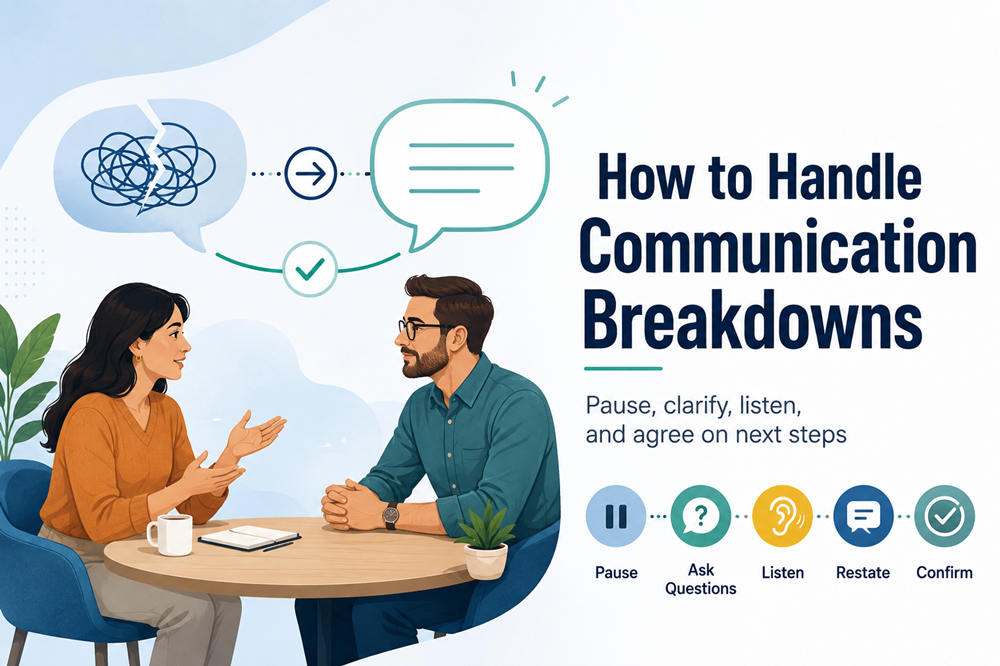
To handle a communication breakdown, slow the conversation down, identify the exact misunderstanding, listen to the other person’s perspective, and agree on a clear next step. Addressing the problem early is usually easier than repairing the damage after it grows.
What Is a Communication Breakdown?
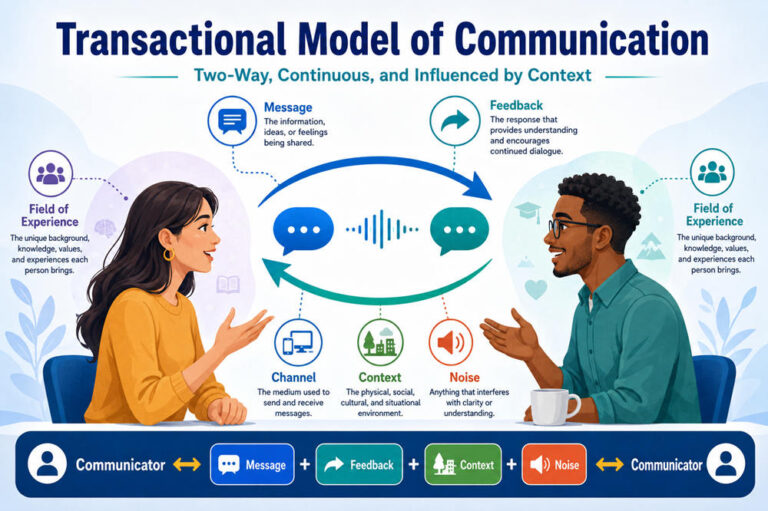
A communication breakdown occurs when a message is not delivered, understood, or acted on as intended. The speaker may believe the message was clear, while the listener understands something completely different.
The problem may come from the words used, the tone of voice, missing context, poor timing, or the communication method itself.
For example, a manager may ask an employee to finish a report “as soon as possible.” The manager expects it that afternoon, but the employee assumes it can wait until the end of the week. Neither person confirms the deadline, so the misunderstanding remains hidden until the report is late.
Communication breakdowns are not always caused by careless people. They often happen because important details were assumed rather than stated.
Common Causes of Communication Breakdowns
Before trying to fix a problem, it helps to understand how it began.
Unclear Instructions
Vague instructions create different interpretations. Words such as “soon,” “urgent,” “better,” or “handle it” do not explain exactly what needs to happen.
Clear, direct language identifies the task, deadline, responsible person, and expected result.
Poor Listening
You may hear someone’s words without fully considering what they mean. Distractions, interruptions, stress, and the urge to prepare a response can cause important details to be missed.
A conversation cannot work when both people are speaking but neither is paying close attention. Practicing active listening can help you notice the speaker’s words, tone, concerns, and intended meaning.
Unspoken Assumptions
People often assume that others already know the background, priorities, or process. What seems obvious to one person may be completely unfamiliar to someone else.
Assumptions are common when people work in different departments, come from different backgrounds, or have different levels of experience.
Strong Emotions
Anger, embarrassment, fear, and stress affect how messages are delivered and interpreted. A short comment can sound insulting when someone is already upset.
Emotions may also cause a person to interrupt, withdraw, become defensive, or focus on tone instead of the actual issue.
Different Communication Styles
Some people prefer direct language and quick decisions. Others want more explanation, time to think, or a softer approach.
These differences do not make one person right and the other wrong. Problems begin when each person expects the other to communicate in exactly the same way. Using more inclusive communication can help you account for differences in background, experience, and understanding.
Scattered Information
Instructions may be spread across emails, text messages, meetings, workplace apps, and casual conversations. When information is stored in too many places, people may follow an outdated message or miss an important change.
How to Handle Communication Breakdowns
The most useful response is calm, specific, and focused on solving the misunderstanding.
1. Pause Before Responding
Reacting immediately can turn a simple misunderstanding into a personal argument. Give yourself a moment to understand what happened before replying.
Ask whether you know the full situation or are filling in missing details with assumptions. A short pause can prevent an angry email, an unfair accusation, or a comment you later regret.
You might say:
“I think we understood this differently. Let’s go back and clarify what was agreed.”
2. Find the Exact Misunderstanding
Avoid saying that the entire conversation failed. Identify the specific point where your understanding separated from the other person’s.
For example, the problem may involve:
- An unclear deadline
- Different ideas about who was responsible
- Missing background information
- A change that was not shared
- Conflicting instructions
- A comment that sounded harsher than intended
The more specific you are, the easier the issue will be to correct.
3. Ask What the Other Person Understood
Do not begin by explaining why your interpretation was correct. First, ask the other person to describe what they heard or expected.
Useful questions include:
- “What did you understand the deadline to be?”
- “Which version of the instructions did you receive?”
- “What were you expecting me to do?”
- “Where do you think we became unclear?”
- “What information were you missing?”
Avoid questions such as “Why weren’t you listening?” They place blame before the facts are clear.
4. Listen Without Preparing a Defense
Let the other person finish explaining. Interrupting to correct every detail makes it harder to understand their perspective.
You may learn that they received incomplete information, interpreted an unclear phrase differently, or were following an earlier decision. Their explanation may not remove responsibility, but it can reveal why the breakdown occurred.
Listening does not mean agreeing with everything. It means giving yourself enough information to respond fairly.
5. Restate the Problem Clearly
Once both people have spoken, summarize the misunderstanding in simple language.
For example:
“You believed the draft was due Friday, while I expected it Thursday afternoon. I did not include a specific time in my message.”
This confirms that everyone is discussing the same issue. It also separates the actual problem from the emotions surrounding it.
6. Acknowledge Your Part
Take responsibility for anything you could have communicated more clearly. This does not mean accepting blame for every part of the situation.
You might say:
- “I should have included the exact deadline.”
- “I sent the update in the wrong group.”
- “I assumed you had already seen the revised plan.”
- “My message was too brief.”
- “I reacted before hearing the full explanation.”
A direct acknowledgment usually works better than a long excuse.
7. Keep the Language Neutral
Focus on what happened rather than attacking the other person’s character.
Instead of saying:
“You are always careless with instructions.”
Say:
“The revised instructions were not followed because the earlier version was still being used.”
Avoid words such as “always” and “never.” They pull unrelated problems into the conversation and make a practical solution harder to reach.
8. Agree on the Next Step
A conversation is not resolved until everyone knows what happens next.
Confirm:
- What must be completed
- Who will complete it
- When it is due
- Which version or process should be used
- Where updates will be shared
Keep the agreement simple. Too many new instructions can create another communication problem.
9. Confirm Important Details in Writing
After a workplace discussion, group decision, or complicated personal arrangement, send a brief written summary.
For example:
“To confirm, Jordan will revise the first section by Thursday at 2 p.m. I will review it that afternoon, and we will submit the final version Friday morning.”
This is not about creating evidence against someone. It gives everyone one clear version of the agreement. The CDC Clear Communication Index also provides useful principles for making written information easier to understand.
How to Handle Communication Breakdowns at Work
Workplace breakdowns often involve unclear ownership, conflicting instructions, remote communication, or changes that were not shared with everyone. Addressing workplace conflict early can prevent a small misunderstanding from turning into a formal dispute.
Unclear Responsibilities
When several people are involved in a project, each person may believe someone else owns a task. Assign one clear owner to every important action.
Instead of saying, “The team will update the document,” say, “Nina will update the document and send it to the team by Tuesday.”
Conflicting Instructions
Employees sometimes receive different directions from multiple managers or departments. Do not guess which instruction should take priority.
Bring the conflicting messages together and ask the appropriate decision-maker to confirm the correct direction.
You might say:
“I received two different deadlines for this project. Could we confirm which one the team should follow?”
Missed Deadlines
When a deadline is missed, discuss the reason before assuming laziness or disrespect. The employee may have received an unclear date, lacked a required resource, or misunderstood which task had priority.
After identifying the problem, set a new deadline and decide how progress will be reported.
Remote and Hybrid Teams
Remote work removes many informal opportunities to correct misunderstandings. Team members cannot always walk across the room to ask a quick question.
Important decisions should be recorded in a shared location rather than left in private messages or video calls. Meeting notes, project boards, and shared calendars help everyone work from the same information.
Communication Between Departments
Different departments may use the same words in different ways. Marketing, finance, customer service, and technical teams may also have different priorities.
Avoid unnecessary jargon and explain how the request affects the other team. A message is easier to understand when people know both what you need and why it matters.
How to Handle Breakdowns in Personal Relationships
Personal communication problems often involve feelings that were not directly expressed. A delayed reply, distracted response, or change in tone may be interpreted as rejection, anger, or lack of interest.
Choose a time when both people can speak without rushing or being interrupted. Serious conversations rarely go well when someone is tired, late, or already upset.
Describe your experience without claiming to know the other person’s motives.
Instead of saying:
“You ignored me because you do not care.”
Try:
“When I did not hear from you, I was unsure whether our plans had changed.”
This gives the other person a clear concern to address without forcing them to defend their character.
Be equally clear about what you need. Do you want an explanation, an apology, a change in behavior, or a better plan for next time? Unspoken expectations often create the next breakdown.
How to Prevent Future Communication Breakdowns
You cannot prevent every misunderstanding, but a few habits can reduce them.
Use Specific Language
Replace vague instructions with exact details. Include names, dates, times, and expected outcomes when they matter.
Keep Important Information in One Place
Choose one reliable location for project updates, schedules, or shared decisions. Do not expect people to combine information from several message threads.
Confirm Decisions
At the end of an important conversation, briefly restate what was decided. This allows people to correct misunderstandings immediately.
Make Questions Welcome
People are more likely to hide confusion when they fear looking inexperienced. Encourage questions before work begins, not only after something goes wrong.
Schedule Check-Ins for Longer Tasks
A short check-in can reveal missing information or changing priorities before a deadline is missed. This is especially useful for complex projects and major personal plans.
Mistakes That Make Communication Breakdowns Worse
Certain responses add tension without solving the problem.
Avoid:
- Sending an angry message immediately
- Blaming someone before hearing their explanation
- Using sarcasm or personal insults
- Bringing up unrelated past mistakes
- Involving unnecessary people in the disagreement
- Repeating the same unclear explanation
- Ending the conversation without a specific plan
- Pretending the issue is resolved when nobody agrees on what happens next
The aim is not to make the other person admit defeat. It is to make sure the same misunderstanding does not happen again.
When to Seek Outside Help
Some communication problems require support from a neutral person. Alternative dispute resolution, mediation, or another structured conversation may help when the people involved cannot resolve the issue alone.
Consider involving a manager, human resources representative, mediator, counselor, or trusted third party when:
- The same breakdown continues after several attempts to resolve it.
- One person refuses to communicate respectfully.
- The situation involves bullying, workplace harassment, threats, or discrimination.
- The disagreement affects serious workplace duties.
- Emotions prevent a calm conversation.
- One person feels unsafe speaking privately.
- A formal written agreement is needed.
Outside support can provide structure, document important decisions, and help both sides communicate more safely.
Communication breakdowns are often manageable when you address them early and focus on the exact point of confusion. Listen first, use specific language, acknowledge your part, and end with a clear agreement. The most effective conversations are not necessarily the longest—they are the ones in which everyone understands what happens next.